Tul Marketplace
Transitioning Tul from an e-commerce model to a multi-seller marketplace experience.
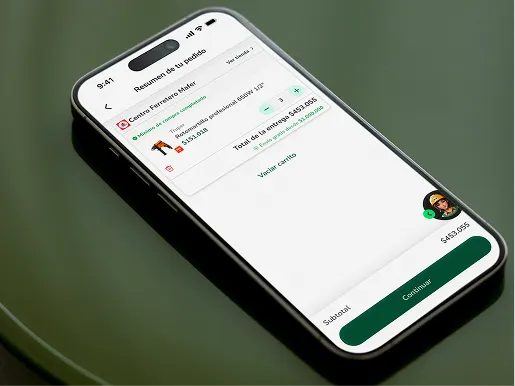
Tul Marketplace Transition
Case Study
The Problem
Tul needed to transition from a single-seller B2B e-commerce model to a multi-seller marketplace to scale its business. However, this change introduced new complexity for its core users—older hardware store owners with low digital familiarity—who were used to a simple and predictable way of buying.
The shift risked creating confusion and eroding trust at the moment of purchase.

Tul Marketplace Transition
Case StudyThe Problem
Tul needed to transition from a single-seller B2B e-commerce model to a multi-seller marketplace to scale its business. However, this change introduced new complexity for its core users—older hardware store owners with low digital familiarity—who were used to a simple and predictable way of buying.
The shift risked creating confusion and eroding trust at the moment of purchase.
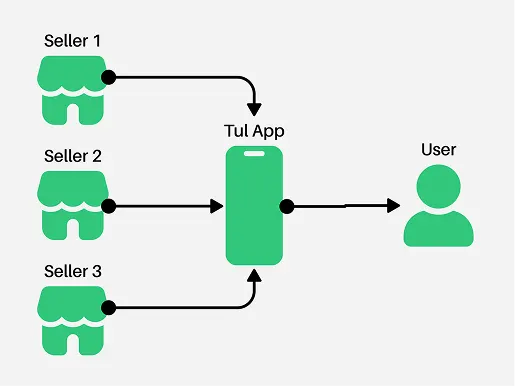
The Challenge
Introducing multiple sellers and prices without overwhelming users or breaking the mental model they had built around buying directly from Tul.
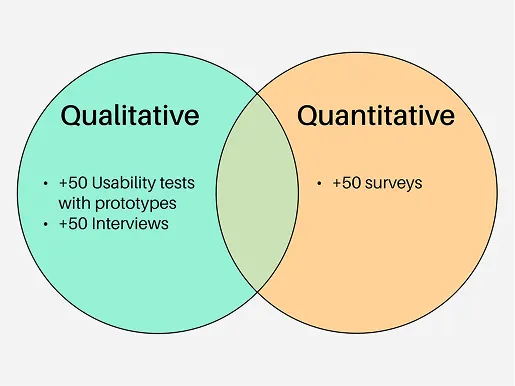
Research
We combined qualitative research (usability tests with prototypes and interviews) and quantitative research (surveys) with 50+ hardware store and construction shop owners.
Testing prototypes in users’ own stores helped us understand real buying behavior and identify key decision factors such as price, trust, and clarity.
Key Insights
•
55% of users initially questioned who they were buying from when first exposed to the marketplace model.
•
Price is a key decision factor for 90% of users, yet clear and simple information is essential for them to feel confident when comparing options.
•
Users expect a simple and predictable buying flow, making sudden changes to the experience especially challenging.
•
Testing in users’ own stores revealed confusion and hesitation in 50% of users that would not have surfaced in more controlled environments.
•
35% of users abandoned or delayed a purchase when faced with too many seller options without clear guidance.
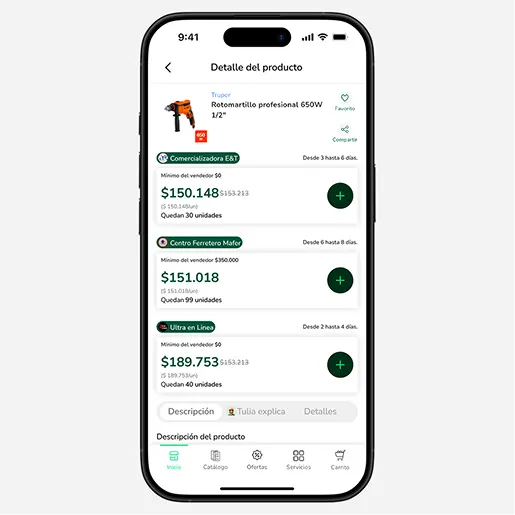
First Prototype
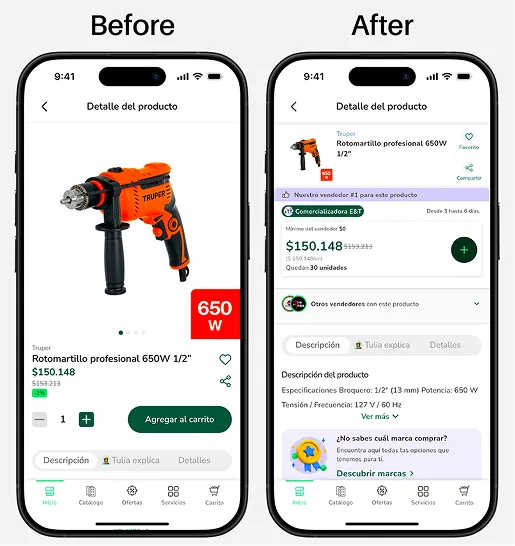
Initial prototype testing revealed that seeing multiple product cards with add actions on the product detail screen caused confusion for 55% of users, leading them to question who they were buying from.
The Solution
Through multiple iterations, we refined the purchase flow to gradually introduce the marketplace model while reducing cognitive load.
Improvements simplified seller visualization in the product detail view and prioritized showing the lowest price first, helping users adopt the new experience with confidence.
Changing the Product Card
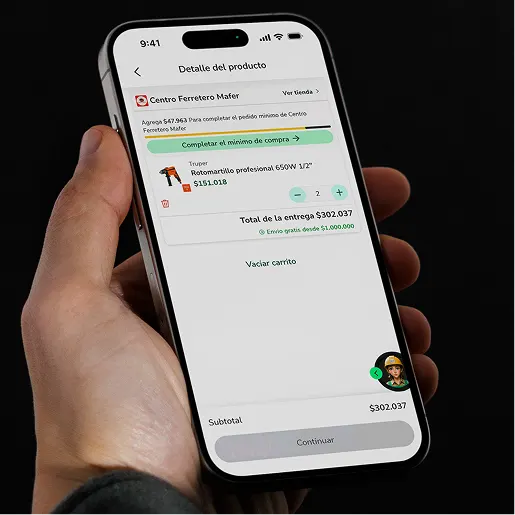
The home product card evolved from a direct “add (+)” action into an informational entry point, replacing the add button with a clear indication of how many sellers offer the product and requiring users to enter the product detail to complete the action.
Improving Clarity in the Cart
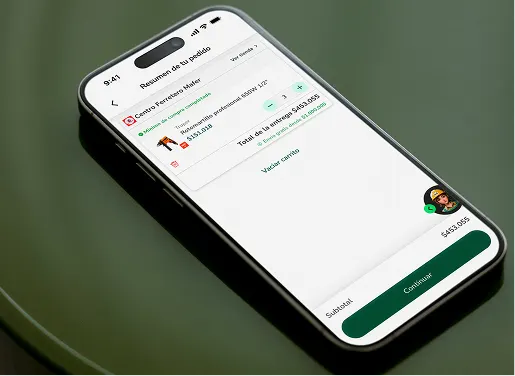
A progress bar was added to the cart view to show when a seller’s minimum order requirement has been met, along with a shortcut button to complete the minimum without leaving the current flow, reducing friction in the purchase process.
Why It Works
This solution guides users through the new marketplace model without adding friction to their familiar buying flow.
The Impact
- Optimized core marketplace funnels, resulting in a 20% reduction in checkout time and a 12% boost in conversion rates.
- Empowered users with limited digital literacy by simplifying product cards, product detail and cart logic, which increased task autonomy by 28%.
- Simplifying seller visualization by prioritizing the lowest price across the purchase flow reduced hesitation, leading to a 33% decrease in purchase time for key personas.
- 65% of users reporting a better understanding of the marketplace model over time.